Special Offer: $68 drain cleaning


More Than 887+ 5-Star Reviews
7 Warning Signs of Hidden Plumbing Leaks in Phoenix, AZ
Free Estimates
25-Year Warranty
0% Financing Available
Satisfaction Guaranteed
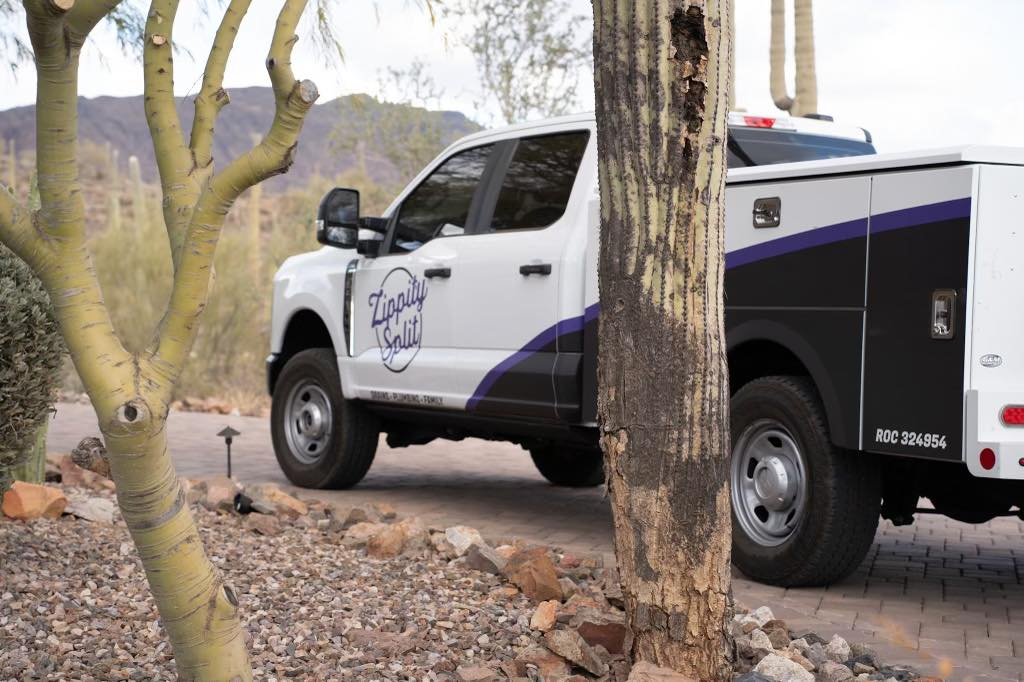

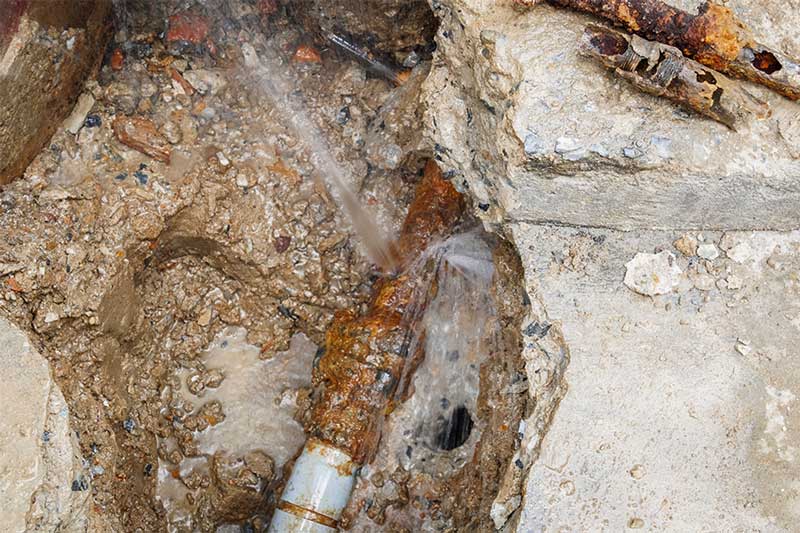
Many homeowners in Phoenix, AZ, overlook the subtle signs of hidden plumbing leaks, which can lead to significant damage over time. It’s often easy to miss these indicators, but ignoring them can result in costly repairs. From unexplained water bills to damp spots in your home, recognizing these warning signs early can save you a lot of trouble. If you suspect an issue, the best solution is to contact a team specializing in plumbing services in Phoenix, AZ—your local experts who respond quickly and efficiently.
Let’s explore the key signs that could be hiding in plain sight.
Unexplained Increases in Water Bills
Have you noticed unexplained increases in your water bills lately? If so, it could be a sign of hidden plumbing leaks. Even a small leak can lead to significant water loss, causing your bills to spike unexpectedly.
You mightn’t see any visible signs, but the water meter could be ticking away, indicating a problem beneath the surface.
Check your water usage patterns; if they don’t match your habits, it’s time to investigate. You can start by monitoring your meter for any unusual changes when you’re not using water.
If you suspect a leak, don’t hesitate to get professional leak detection in Phoenix, AZ. Addressing these issues promptly can save you money and prevent further damage.
With advanced trenchless technology, a local expert can repair leaks efficiently without disrupting your home. Remember, catching issues early is the key to saving on costly repairs.
Damp or Wet Spots on Walls and Ceilings
If you notice damp or wet spots on your walls and ceilings, it’s essential to identify the moisture sources quickly. Start by inspecting the affected areas for any signs of leaks or water damage. Addressing these issues early can prevent more extensive damage down the line.
Identify Moisture Sources
How can you effectively identify moisture sources in your home? Start by closely inspecting your walls and ceilings for any damp or wet spots. These areas can signal hidden plumbing leaks.
Pay attention to discoloration, peeling paint, or bubbling wallpaper, as these often indicate moisture intrusion. Use your sense of smell, too; musty odors can suggest water damage behind walls.
Don’t forget to check around windows and doors, as condensation can also lead to dampness. Additionally, look for water stains, which might reveal a leak’s location.
If you notice any of these signs, it’s essential to act quickly. Finding the source of moisture early on can save you from costly repairs down the line.
Inspect Affected Areas
While inspecting your home for hidden plumbing leaks, pay special attention to damp or wet spots on your walls and ceilings.
These areas often signal ongoing moisture issues that could lead to significant damage if not addressed. Look for discoloration, peeling paint, or mold growth, as these can indicate leaks behind the surface.
Don’t forget to check corners and areas near plumbing fixtures, as leaks often originate there. If you notice any signs, act quickly to mitigate potential damage.
You might want to call a professional for a thorough assessment. Their experts can help identify the source and provide effective solutions to keep your home safe and dry.
Mold and Mildew Growth
Since hidden plumbing leaks can create the perfect environment for mold and mildew growth, it’s vital to address any potential issues promptly.
If you notice a musty odor or see dark spots in your home, you could be facing a mold problem. Mold thrives in damp conditions, and even a small leak can lead to significant growth in just a few days.
Check areas like under sinks, around toilets, and in basements for signs of moisture. If you spot any mold, it’s important to act fast, as prolonged exposure can lead to health issues.
Additionally, make sure your home has proper ventilation to reduce humidity levels, which can help prevent mold from taking hold. If you notice high water bills, it may indicate a hidden leak contributing to moisture problems.
A key step is considering expert slab leak repair, which can address leaks that are hidden beneath the foundation and contribute to persistent moisture.
If you suspect a hidden leak is the culprit, don’t hesitate to contact a specialist. They can quickly identify and fix the issue, helping you maintain a safe and healthy living space.
Water Stains on Floors or Carpets
Water stains on floors or carpets can be a clear sign of hidden plumbing leaks in your home. If you notice discoloration, dark patches, or dampness, it’s crucial to act quickly. These stains often indicate water pooling from leaking pipes, which can lead to more extensive damage if left untreated.
Check around sinks, toilets, and appliances for any signs of moisture. Pay attention to areas where water lines run; stains may appear without any visible dripping. If you spot water stains, don’t ignore them. Ignoring the problem can lead to mold growth and structural damage.
Consider calling a professional plumber to investigate further. Addressing leaks promptly is essential to prevent damage to your home.
If you want more insights, check out this article on the subtle signs of leak issues. It helps expand your knowledge on what to watch for and why a quick response matters.
With fast, efficient service, experts will help you resolve the issue before it escalates, ensuring your home stays safe and dry.
Musty Odors in the Home
If you’ve noticed water stains on your floors or carpets, you might also be detecting musty odors in your home.
These unpleasant smells often indicate hidden plumbing leaks. Ignoring them can lead to bigger problems, so it’s essential to investigate further.
Here are three signs that musty odors may be linked to leaks:
- Persistent Smells: If the musty scent lingers despite cleaning, it’s a warning sign.
- Mold Growth: Check for visible mold or mildew, especially in damp areas like basements.
- Increased Humidity: A sudden rise in humidity levels can suggest that hidden leaks are at play.
Don’t let these odors ruin your comfort.
If you suspect plumbing issues, reach out to a professional. They can help identify the source and provide effective solutions to keep your home smelling fresh and dry.
Low Water Pressure
If you’re experiencing low water pressure, it could be a sign of underlying plumbing issues.
You might notice weak flow from faucets or an inconsistent water supply, which are indicators that something’s not right.
It’s essential to monitor these signs and call in the experts for a thorough inspection and quick solutions.
Causes of Low Pressure
Low water pressure can be frustrating, and several factors might be to blame. Understanding these causes can help you tackle the issue effectively. Here are three common culprits:
- Pipe Corrosion: Over time, pipes can corrode, narrowing the flow and reducing pressure.
- Clogged Fixtures: Mineral buildup or debris in faucets and showerheads can restrict water flow, leading to lower pressure.
- Leakage: Hidden leaks in your plumbing system can divert water, causing a drop in pressure throughout your home.
If you suspect any of these issues, it’s best to consult a plumbing professional.
Experts can help you identify and resolve the problem quickly, ensuring you get back to enjoying strong water pressure in no time.
Signs to Monitor
Experiencing low water pressure can be a hassle, but recognizing the signs early can save you time and money.
First, notice if your faucets or showerheads deliver a weak stream or take longer to fill a sink. You might also find that appliances like dishwashers or washing machines aren’t functioning properly due to insufficient water flow.
Check for unusual sounds, like sputtering or gurgling, which can indicate air trapped in your pipes. Another sign is fluctuating water pressure; if it suddenly drops when multiple fixtures are in use, there’s likely an issue.
Finally, keep an eye out for water stains on walls or ceilings, as they can signal hidden leaks. Addressing these signs promptly helps prevent bigger problems down the road.
When to Call Experts
When you notice persistent low water pressure despite checking for simple fixes, it’s time to call in the experts.
Low water pressure can indicate hidden plumbing issues that require professional attention.
Here are three signs that you shouldn’t ignore:
- Unexplained Water Bills: If your water bill spikes without any changes in usage, there might be a leak.
- Wet Spots: Puddles or damp areas on your floors or walls can signal a plumbing problem beneath the surface.
- Reduced Pressure in Multiple Fixtures: If several faucets or showers are affected, it’s a strong sign of a larger issue.
Don’t wait for the problem to worsen—reach out to a local pro for fast, reliable service and solutions.
Sounds of Running Water When All Fixtures Are Off
If you hear the persistent sound of running water despite all your fixtures being off, it’s a clear sign you might’ve a hidden plumbing leak. This noise often indicates that water is still flowing somewhere in your system, which could lead to costly damage if not addressed.
Check for any damp spots on walls or floors, as they could be signs of the leak’s location.
Don’t ignore this warning; it’s crucial to act quickly. The longer you wait, the more extensive the damage can become, leading to mold growth or structural issues.
Call a trusted professional for a thorough inspection—they specialize in leak detection and can pinpoint the problem efficiently.
With advanced technology and a satisfaction-first approach, specialists resolve issues with minimal disruption.
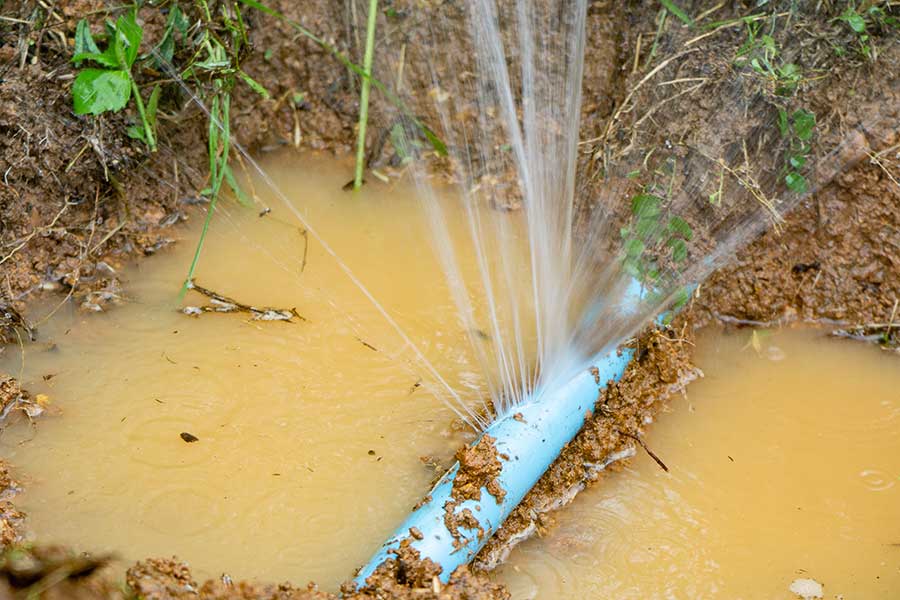
Take Action to Protect Your Home
If you’ve noticed any of these warning signs, it’s time to act. Hidden plumbing leaks can wreak havoc on your home and wallet, leading to expensive repairs if left unchecked. Imagine finding a damp spot on the ceiling that’s been slowly growing, while your water bill keeps climbing. Don’t let a small issue turn into a major disaster. Stay vigilant and address any concerns quickly to protect your home and guarantee peace of mind.
When you’re ready to stop hidden leaks from causing trouble, schedule your plumbing inspection today.
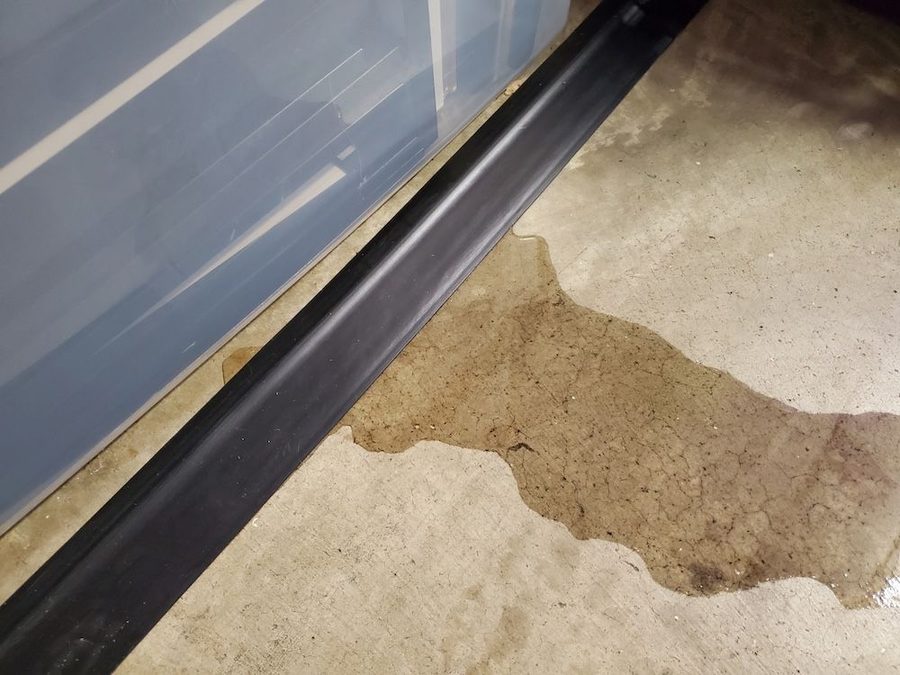
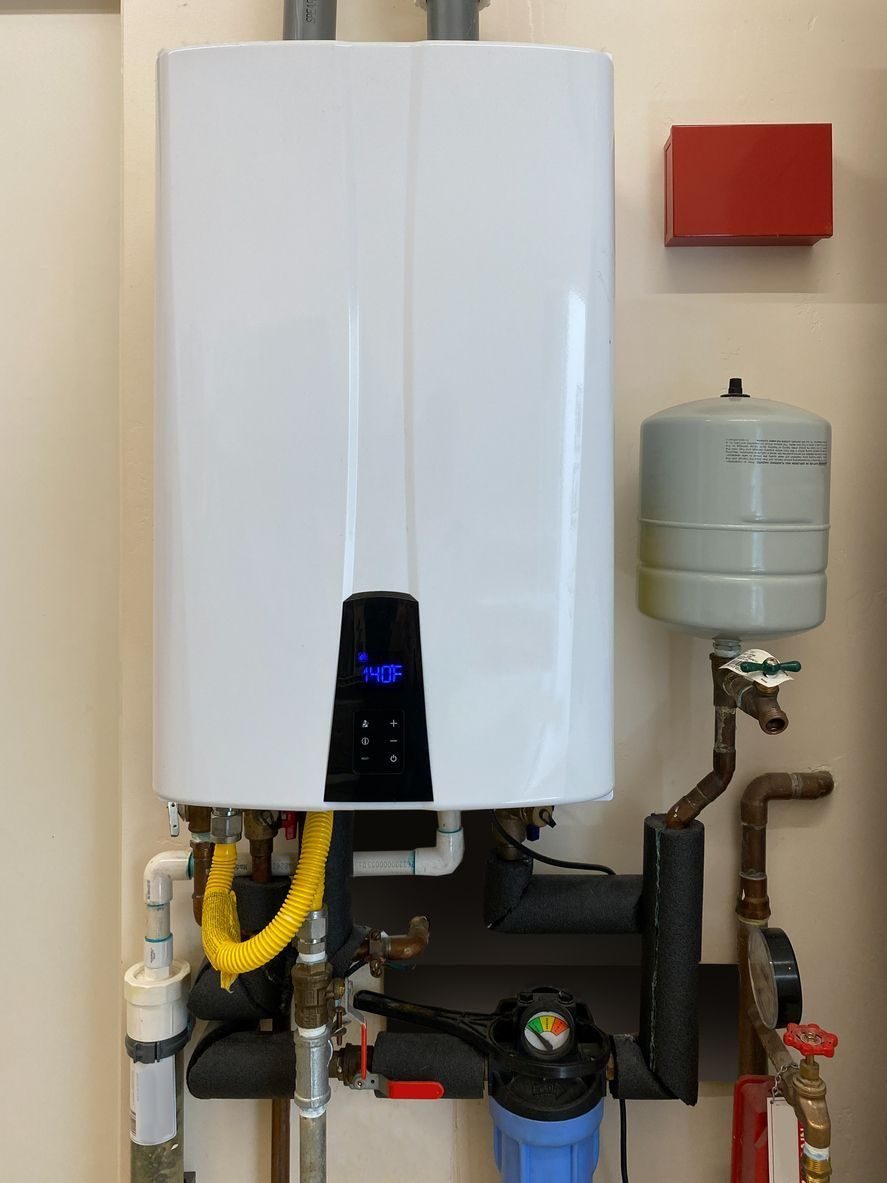

No one plans for a burst pipe or a backed-up drain, but you can plan on us
Your go-to team for life’s unexpected plumbing problems
When a pipe bursts or your water heater stops working, you need someone who can step in fast, handle the problem from start to finish, and get your home back to normal. Less stress, fewer surprises, and a plumbing solution you can trust.