Special Offer: $68 drain cleaning



More Than 875+ 5-Star Reviews
Slab Leak Repair Options: What Phoenix Homeowners Should Know
Free Estimates
25-Year Warranty
0% Financing Available
Satisfaction Guaranteed

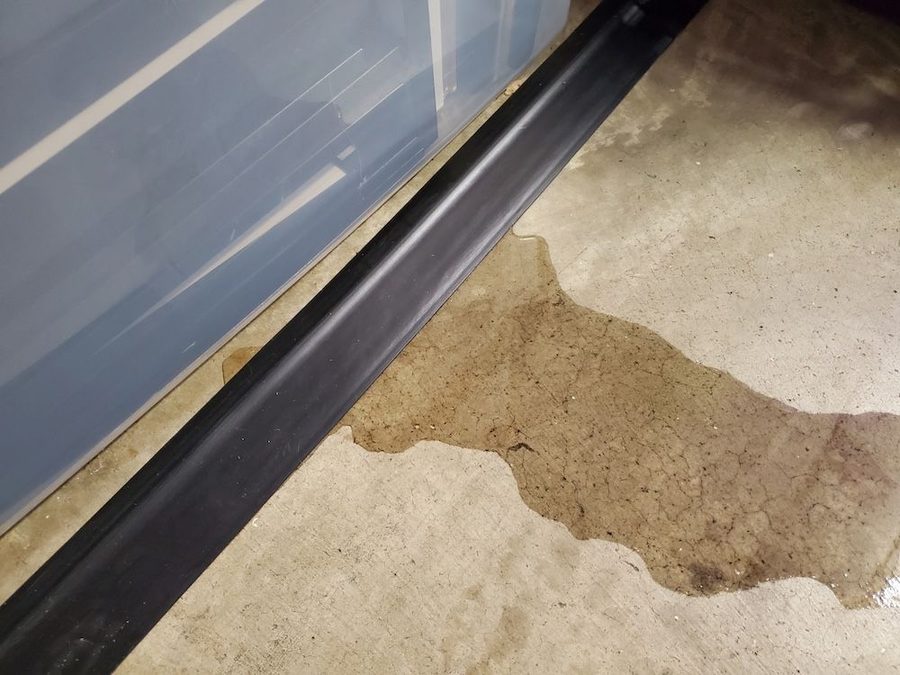
Discovering a possible slab leak can be concerning, especially when the leaking pipe is hidden beneath your home’s concrete foundation. Unlike a dripping faucet or an exposed pipe, an under-slab water line is not easily accessible, which can make homeowners wonder whether extensive demolition is inevitable.
Fortunately, there is more than one way to address a slab leak. Depending on the location of the leak, condition of the plumbing, and layout of your Phoenix home, a plumber may recommend directly accessing the damaged pipe, rerouting a water line, or repiping a larger portion of the system. Accurate leak detection is the first step toward determining which approach makes sense.
What Is a Slab Leak?
A slab leak is a leak in a water supply line located beneath or within a home’s concrete foundation. It can involve a hot or cold water line, and water may escape beneath the slab before the problem becomes obvious inside the home.
Because these pipes are hidden, determining exactly where water is escaping can require specialized diagnostic methods.
It is also important not to assume that every damp floor, foundation crack, or high water bill means you have a slab leak. Other plumbing problems can cause similar symptoms.
How Do You Know If You Have a Slab Leak?
Possible signs of an under-slab plumbing leak include:
-
An unexplained increase in water usage or bills
-
The sound of running water when fixtures are off
-
Warm areas on the floor
-
Damp or wet flooring
-
Unexplained moisture near the foundation
-
Reduced water pressure
-
A water meter that shows usage when water should not be running
Warm flooring can sometimes occur when a hot-water line beneath the slab leaks, but no single symptom confirms a slab leak by itself.
A professional plumbing evaluation can determine whether the problem is actually beneath the foundation or somewhere else in the plumbing system.
Why Do Slab Leaks Happen?
Under-slab water lines can develop leaks for several reasons.
Depending on the piping material and installation, potential contributors can include pipe deterioration, corrosion, abrasion, long-term stress, excessive water pressure, or installation-related problems.
Movement can also place stress on plumbing in certain circumstances, particularly where pipes come into contact with surrounding materials.
The cause matters because repairing one damaged section may be appropriate for an isolated failure, while widespread deterioration or repeated leaks may call for a broader solution.
How Are Slab Leaks Located?
Before deciding how to repair a slab leak, a plumber needs to determine where the problem is occurring as accurately as practical.
Depending on the situation, diagnostic methods may include:
-
Pressure testing
-
Acoustic leak detection
-
Thermal imaging for applicable hot-water leaks
-
Isolating portions of the plumbing system
-
Water meter observations
-
Other specialized leak detection techniques
Not every diagnostic tool works for every leak. The goal is to gather enough information to locate the problem and avoid unnecessary exploratory demolition.
Once the affected line and likely leak location are identified, the plumber can evaluate possible repair methods.
Option 1: Direct Slab Leak Repair
One approach is to access the leaking pipe directly.
Depending on its location, this may require removing flooring and opening part of the concrete slab. The damaged section of pipe can then be repaired or replaced before the area is restored.
When Does Direct Repair Make Sense?
Direct access may be worth considering when:
-
The leak has been accurately located
-
The problem appears isolated
-
The surrounding plumbing remains in reasonable condition
-
The pipe can be accessed without excessive disruption
The primary disadvantage is that flooring and concrete may need to be opened. Additional restoration may also be necessary after the plumbing work is complete.
A direct repair also addresses the specific damaged area rather than deterioration that may exist elsewhere in the plumbing system.
Option 2: Rerouting the Water Line
Breaking through the slab is not always the preferred approach.
In some homes, a plumber may be able to abandon the leaking section beneath the foundation and install a new water line along a different, more accessible route.
The new line may travel through appropriate walls, ceilings, attics, or other areas depending on the home’s construction and plumbing layout.
When Might Rerouting Be Considered?
Rerouting may make sense when:
-
Direct slab access would be particularly disruptive
-
The affected line can be isolated
-
An appropriate alternate route is available
-
Reusing the existing under-slab route is undesirable
Rerouting does not necessarily mean there will be no disruption. Access to walls or ceilings may still be required. The feasibility of rerouting also depends heavily on the home’s layout and applicable plumbing requirements.
Option 3: Partial or Whole-Home Repiping
A single slab leak does not automatically mean your entire house needs to be repiped. However, repeated leaks or widespread deterioration can change the equation.
Repiping replaces multiple existing water lines with new piping. Depending on the situation, a plumber may recommend replacing a particular section or a larger portion of the home’s water distribution system.
When Could Repiping Make Sense?
A broader repiping project may be considered when:
-
The home has experienced repeated slab leaks
-
Multiple water lines show deterioration
-
Previous spot repairs have become frequent
-
The existing piping system has widespread problems
-
Repeatedly accessing individual leaks is becoming impractical
The decision should be based on the actual condition of the plumbing rather than the age of the home alone.
What About Trenchless or Epoxy Slab Leak Repair?
Phoenix homeowners researching slab leaks may encounter terms such as “trenchless repair,” “pipe lining,” or “epoxy coating.”
These terms can refer to different technologies, and they are not interchangeable solutions for every under-slab water line.
Whether a particular lining or coating method is appropriate depends on factors such as pipe material, diameter, condition, intended use, manufacturer requirements, and applicable plumbing standards.
If a specialized repair method is proposed, ask exactly how it works, whether it is appropriate for your particular piping system, and what limitations apply.
Which Slab Leak Repair Method Is Best?
There is no single best slab leak repair method for every Phoenix home. The right solution depends on the location of the leak, condition of the remaining pipes, accessibility, plumbing layout, previous leak history, and how much disruption each option would require.
For example, an isolated and accessible failure may make direct repair practical. A difficult-to-access pipe may be better suited for rerouting. Multiple failures or widespread deterioration may make partial or whole-home repiping worth considering.
That is why leak detection and evaluation should come before selecting a repair method.
Can You Keep Using Water With a Slab Leak?
A suspected slab leak should not be ignored. Continued water loss can waste water and potentially contribute to moisture damage.
Whether you need to shut off the water depends on the severity and location of the leak. Knowing where your home’s main water shutoff is located can be helpful if a significant leak occurs.
If water is actively spreading through the home or causing substantial damage, shut off the water when it is safe to do so and contact a plumber promptly.
Does Homeowners Insurance Cover Slab Leak Repair?
Insurance coverage varies by policy and by what caused the damage.
Some policies may distinguish between repairing the failed plumbing itself and covering resulting water damage or the cost of accessing the pipe. Deductibles, exclusions, and coverage limits can also affect a claim.
Review your individual policy and contact your insurance provider rather than assuming slab leak repairs will or will not be covered.
Schedule Slab Leak Repair in Phoenix With Zippity Split Plumbing
A slab leak does not automatically mean large sections of your home’s flooring need to be removed. Depending on the problem, direct repair, rerouting, or repiping may provide an appropriate solution.
If you suspect an under-slab plumbing leak, contact Zippity Split Plumbing for slab leak detection and repair in Phoenix. Our team can locate the problem, evaluate the condition of your plumbing, and explain the repair options available for your home.


No one plans for a burst pipe or a backed-up drain, but you can plan on us
Your go-to team for life’s unexpected plumbing problems
When a pipe bursts or your water heater stops working, you need someone who can step in fast, handle the problem from start to finish, and get your home back to normal. Less stress, fewer surprises, and a plumbing solution you can trust.