Special Offer: $68 drain cleaning



More Than 855+ 5-Star Reviews
Battling Valley Limescale: How Phoenix’s Hard Water Impacts Tankless Water Heaters
Free Estimates
25-Year Warranty
0% Financing Available
Satisfaction Guaranteed

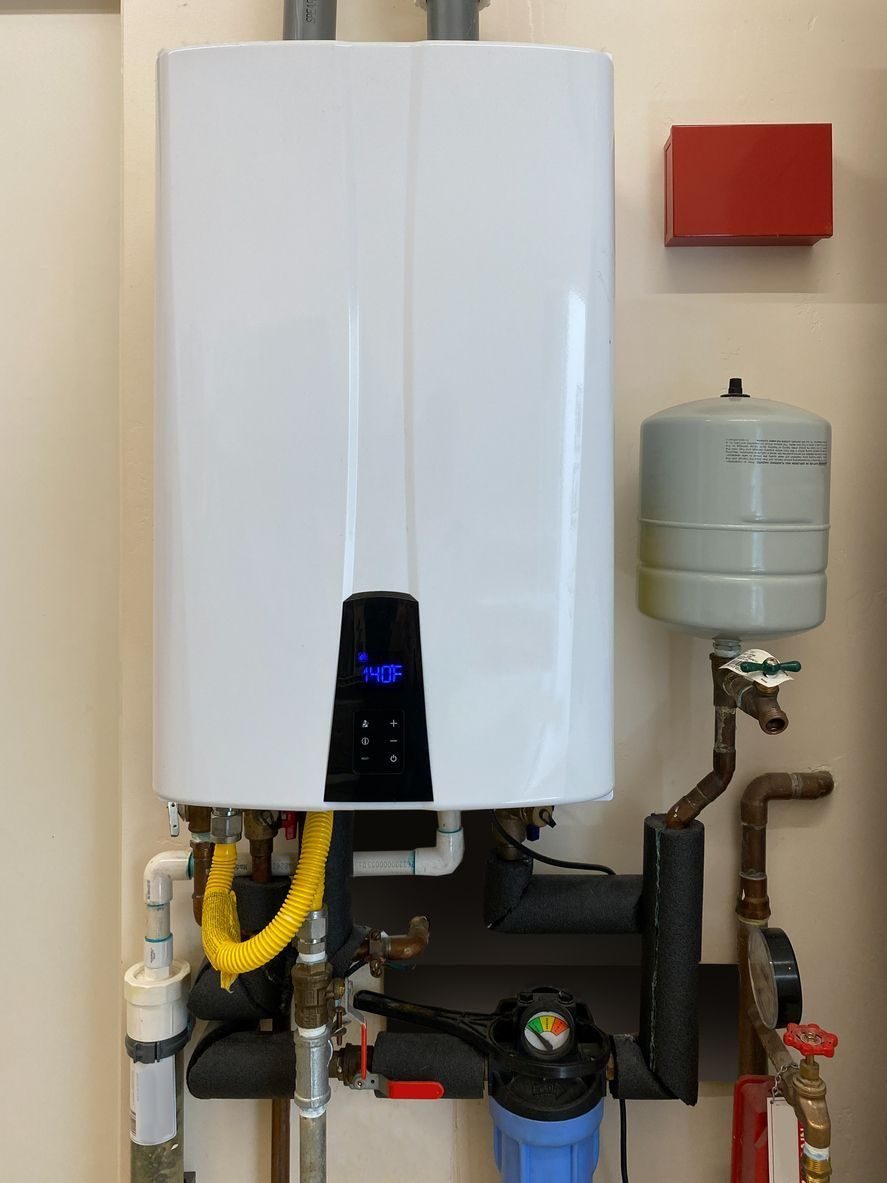
Upgrading to a tankless water heater is one of the smartest investments a Phoenix homeowner can make. Offering endless hot water on demand, compact space-saving designs, and substantial energy savings, tankless units fit perfectly into modern Valley living. However, tankless systems in Central Arizona face a formidable local adversary: extreme mineral hardness in our municipal water supply.
Whether your home draws water from the Colorado River via the Central Arizona Project (CAP), the Salt and Verde River watersheds, or local deep groundwater wells, Phoenix tap water carries heavy loads of dissolved minerals. Without proactive maintenance, Valley hard water can severely impair your tankless system’s efficiency and shorten its lifespan.
Zippity Split Plumbing provides trusted, fast, and high-performance water heater services across Phoenix, Tempe, Mesa, Chandler, and the surrounding East Valley. This guide breaks down the science of Valley limescale, how hard water targets tankless heat exchangers, and how to protect your hot water investment.
The Phoenix Water Reality: Grains Per Gallon (GPG)
Water hardness is measured in grains per gallon (GPG) of dissolved calcium and magnesium. According to U.S. Geological Survey (USGS) standards, water measuring above 10.5 GPG is classified as “very hard.”
Tap water across the Phoenix metro area routinely measures between 12 and 25+ GPG. Every gallon of water flowing into your home carries microscopic dissolved rock. While safe to drink, these minerals cause major issues when exposed to high heat inside your plumbing fixtures.
The Physics of Limescale Inside a Tankless Heat Exchanger
Unlike traditional tank water heaters, which store 40 to 50 gallons of standing water, a tankless water heater operates using rapid, high-intensity heat transfer. When you open a hot water tap, high-BTU gas burners or electric elements instantly heat narrow copper or stainless steel heat exchanger tubing.
This rapid heating process creates an environment where dissolved calcium and magnesium ions instantly separate from the water and solidify. The resulting rock-hard mineral crust, calcium carbonate, or limescale, bonds directly to the interior walls of the heat exchanger.
4 Ways Hard Water Damages Unprotected Tankless Units
If limescale is allowed to build up inside your tankless water heater, it creates a cascade of mechanical and operational problems:
1. Thermal Insulation and Overheating (Efficiency Loss)
Limescale acts as a thermal insulator. When a layer of scale coats the inside of your heat exchanger, it blocks heat from transferring effectively from the burner to the water. Your system has to burn significantly more gas or electricity to achieve the target water temperature, eliminating the energy savings that make tankless units so appealing.
2. Physical Flow Restriction and Pressure Drops
Tankless heat exchanger tubing is engineered with narrow interior passages to maximize surface contact with water. As scale builds up, it constricts these passages, restricting water flow through the unit. You will notice a sudden drop in hot water pressure at your showerheads and kitchen faucets.
3. Heat Exchanger Burnout and Cracking
Because limescale blocks heat from transferring into the water, the metal wall of the heat exchanger gets trapped between intense burner flame on the outside and insulating scale on the inside. This excessive thermal strain causes copper or stainless steel tubing to overheat, warp, fatigue, and crack, resulting in internal water leaks and complete unit failure.
4. Nuisance Error Codes and System Shutdowns
Modern tankless units feature built-in safety diagnostics that monitor exhaust temperatures, water flow rates, and flame parameters. When scale restricts flow or causes overheating, the system’s computer triggers error codes (such as Rinnai Code 11/12 or Navien Code E012/E016) and locks out, leaving you without hot water until the system is serviced.
How to Protect Your Phoenix Tankless Water Heater
Protecting your tankless system from Valley hard water requires routine maintenance and targeted water treatment.
1. Schedule Annual Professional Flushing (Descaling)
Manufacturers require periodic flushing of the heat exchanger using a dedicated recirculating pump and non-toxic descaling solution (or food-grade white vinegar). This process dissolves accumulated limescale, restores full heat transfer capacity, and keeps your factory warranty valid.
2. Pair Your System with Whole-Home Water Treatment
The most effective long-term defense against limescale is stopping minerals before they reach your water heater.
-
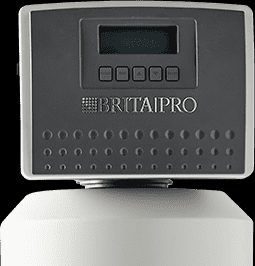
Whole-Home Water Softeners (Ion Exchange): Water softeners replace calcium and magnesium ions with sodium ions, completely eliminating limescale formation throughout your home’s plumbing grid.
-
Scale Inhibitors & TAC Conditioners: Template Assisted Crystallization (TAC) systems transform dissolved minerals into microscopic, inactive crystals that cannot stick to hot metal surfaces.
Defend Your Hot Water Investment with Zippity Split Plumbing
Upgrading to a high-efficiency tankless water heater delivers endless hot water and modern convenience, but living in Phoenix requires taking proactive steps against local hard water.
Taking a proactive approach to routine flushing and water conditioning protects your equipment investment, preserves low energy costs, and ensures dependable hot water performance year-round.
Contact Zippity Split Plumbing today to schedule your water heater service!

No one plans for a burst pipe or a backed-up drain, but you can plan on us
Your go-to team for life’s unexpected plumbing problems
When a pipe bursts or your water heater stops working, you need someone who can step in fast, handle the problem from start to finish, and get your home back to normal. Less stress, fewer surprises, and a plumbing solution you can trust.