Special Offer: $68 drain cleaning



More Than 891+ 5-Star Reviews
How a Sewer Camera Inspection Detects Tree Root Intrusion Before a Major Backup
Free Estimates
25-Year Warranty
0% Financing Available
Satisfaction Guaranteed

Tree roots can cause serious problems for underground sewer lines, often without homeowners realizing anything is wrong. By the time wastewater starts backing up into your home, roots may have already restricted the flow inside your sewer pipes.
For Phoenix homeowners, mature trees, landscaped yards, and aging sewer lines can create conditions where root intrusion becomes a concern. Fortunately, modern sewer camera inspections allow plumbers to identify developing problems without immediately digging up your yard.
Understanding how these inspections work can help you recognize warning signs, address root intrusion early, and reduce the risk of a major sewer backup.
How Does a Sewer Camera Inspection Detect Tree Roots?
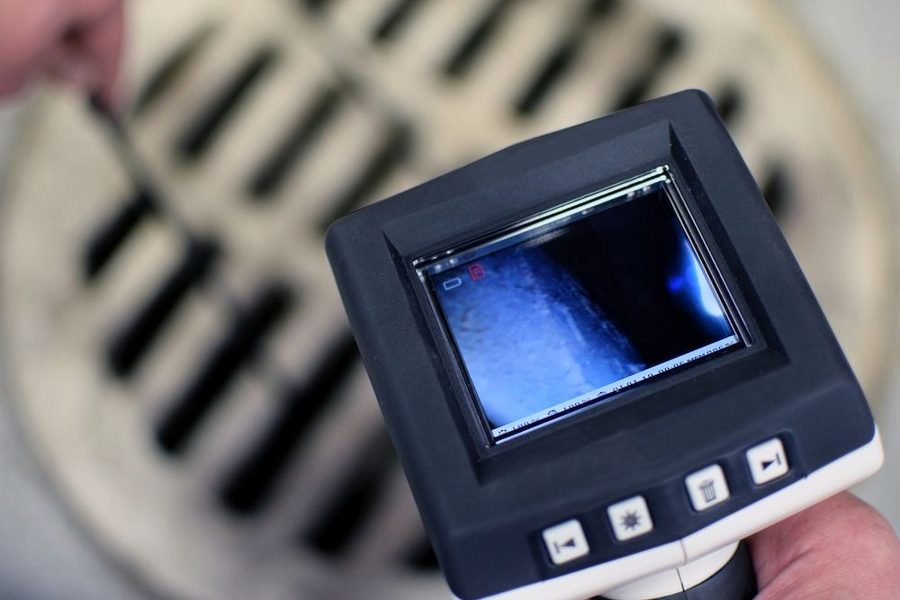
A sewer camera inspection detects tree root intrusion by using a small, waterproof camera attached to a flexible cable to examine the inside of a sewer pipe.
As the camera travels through the line, it captures video that allows a plumber to identify visible roots, blockages, cracks, separated joints, and other potential problems.
This technology helps locate suspected sewer line issues and determine whether cleaning, repair, or further evaluation is necessary.
Although a camera inspection provides valuable information, it cannot always reveal every defect, particularly when heavy blockages prevent the camera from passing through the pipe.
1. Why Do Tree Roots Grow Into Sewer Lines?
Tree roots naturally grow toward areas with favorable moisture and soil conditions.
When underground sewer pipes develop cracks, separated joints, or deteriorating connections, roots may enter through these openings.
Once inside, roots can continue growing and catch grease, paper, and other debris traveling through the sewer line.
Over time, this buildup may restrict wastewater flow and contribute to recurring clogs or sewage backups.
Why Phoenix Homes Can Experience Root Intrusion
Phoenix properties often feature mature shade trees, irrigated landscaping, and underground plumbing that has been in place for decades.
Tree roots can extend well beyond the visible canopy, sometimes reaching nearby sewer lines.
Older pipes with deteriorating joints may be particularly vulnerable, although newer sewer lines can also experience intrusion if damage creates an opening.
Importantly, roots generally enter through existing vulnerabilities rather than simply breaking through sound, properly installed piping.
2. What Happens During a Sewer Camera Inspection?
A professional sewer camera inspection allows plumbers to evaluate accessible sections of underground piping with minimal disruption.
Step 1: Access the Sewer Line
A plumber identifies an appropriate cleanout or other access point.
If a severe blockage prevents the camera from moving through the line, preliminary drain clearing may be necessary.
Step 2: Insert the Inspection Camera
A waterproof camera attached to a flexible cable is guided through the sewer pipe.
The camera transmits video that helps the technician examine the pipe’s interior.
Step 3: Identify Root Intrusion and Damage
The plumber looks for visible roots, debris buildup, cracks, separated connections, and other conditions affecting wastewater flow.
Step 4: Locate the Problem
Some camera systems include locating equipment that helps identify the approximate underground position of a damaged or obstructed section.
These findings help guide recommendations for sewer cleaning or repairs.
3. What Does Tree Root Intrusion Look Like on Camera?
Root intrusion can appear differently depending on how long roots have been growing inside the sewer line.
A camera inspection may reveal:
-
Fine roots: Small roots entering through pipe joints or cracks.
-
Dense root masses: Thick growth partially blocking wastewater flow.
-
Trapped debris: Paper, grease, and other materials collecting around roots.
-
Separated joints: Openings where roots have entered the pipe.
-
Damaged pipe sections: Cracks or displaced connections associated with intrusion.
Even relatively small root growth can indicate a developing problem.
A sewer line may continue draining normally for some time before the obstruction becomes severe enough to cause noticeable symptoms.
4. Warning Signs of Tree Roots in Your Sewer Line
Tree root intrusion often develops gradually.
Recognizing early symptoms can help Phoenix homeowners schedule an inspection before a complete blockage occurs.
Recurring Drain Clogs
If a drain repeatedly clogs after cleaning, the underlying problem may be farther down the sewer line.
Roots can catch debris and create recurring restrictions.
Multiple Slow Drains
When several sinks, tubs, or toilets drain slowly, the issue may involve a shared drain or main sewer line.
Gurgling Plumbing Fixtures
Unusual gurgling sounds can occur when a blockage interferes with normal wastewater and air movement.
Sewage Backups
Wastewater backing up into showers, tubs, or floor drains may indicate a significant sewer obstruction.
Persistent Sewer Odors
Unusual sewage odors may signal a drainage or sewer system problem requiring investigation.
These symptoms aren’t exclusive to tree roots. A sewer camera inspection can help determine what’s actually happening inside the line.
5. Why Is Early Tree Root Detection Important?
Waiting until sewage backs up can lead to extensive cleanup, plumbing repairs, and disruption to your household.
Identifying root intrusion earlier may provide several advantages.
Address Blockages Before They Become Severe
A camera inspection can reveal visible root growth before it completely obstructs wastewater flow.
Identify Underlying Pipe Damage
Removing roots alone may not solve the problem if cracked or separated joints remain.
Camera footage can help identify conditions that may require repair.
Choose the Appropriate Solution
Not every sewer line problem requires excavation or complete replacement.
Inspection findings help plumbers determine whether cleaning, targeted repair, or more extensive work is appropriate.
Reduce Recurring Sewer Problems
Understanding where roots are entering can help homeowners make informed decisions about long-term sewer maintenance.
While inspections cannot guarantee that backups won’t occur, early diagnosis can reduce uncertainty and support timely repairs.
6. Can a Sewer Camera Inspection Reveal Other Pipe Problems?
Tree roots aren’t the only issue a sewer camera may uncover.
Depending on visibility and access, inspections can identify:
-
Cracked or deteriorating sewer pipes
-
Separated or offset joints
-
Heavy debris buildup
-
Corrosion or other visible deterioration
-
Low sections where wastewater collects
-
Significant blockages
-
Possible pipe collapse
These findings can help explain why sewer problems keep returning even after drain cleaning.
7. How Are Tree Roots Removed From Sewer Lines?
Once root intrusion is confirmed, the appropriate treatment depends on the extent of growth and the condition of the pipe.
Mechanical Root Cutting
Specialized cutting equipment can remove roots obstructing the sewer line.
This may restore wastewater flow, but roots can return if the entry point remains open.
Hydro Jetting
Hydro jetting uses high-pressure water to remove certain obstructions and accumulated debris.
However, not every sewer line is suitable for this service. Severely damaged or deteriorated pipes may require another approach.
Sewer Line Repair or Replacement
When roots enter through damaged joints or cracked pipe sections, repairing the affected area may be necessary.
Depending on the sewer line’s condition, options may include localized repairs, trenchless methods, or conventional replacement.
Removing tree roots doesn’t automatically repair the pipe damage that allowed them to enter.
8. How Often Should Phoenix Homeowners Schedule Sewer Camera Inspections?
There isn’t one inspection schedule that applies to every property.
The appropriate timing depends on your sewer line’s age, condition, and history.
Consider scheduling a camera inspection if:
-
Drain clogs keep returning.
-
Your property has experienced root intrusion before.
-
Multiple fixtures drain slowly.
-
Your home has older sewer piping.
-
You’re purchasing an older Phoenix property.
-
A plumber recommends follow-up after root removal.
Homes with recurring root problems may benefit from a monitoring schedule based on professional recommendations.
9. What Should You Do if Sewage Starts Backing Up?
A sewer backup requires prompt attention.
If wastewater begins backing up into your home:
-
Stop using sinks, toilets, showers, and appliances that drain into the affected line.
-
Keep children and pets away from contaminated areas.
-
Avoid chemical drain cleaners.
-
Contact a professional plumber for sewer inspection and clearing.
-
Arrange appropriate cleanup and sanitation if sewage has entered living spaces.
Continuing to use plumbing fixtures during a main sewer blockage may cause additional wastewater to enter the home.
10. When Should You Call for a Sewer Camera Inspection in Phoenix?
If your home experiences recurring clogs, slow drains, unusual sewer odors, or wastewater backups, a professional inspection can help identify the cause.
Camera inspections are also valuable when a sewer line has a history of root intrusion or suspected structural damage.
Rather than repeatedly treating the symptoms, a plumber can evaluate the pipe’s interior and recommend a solution based on visible conditions.
Protect Your Phoenix Home With Zippity Split Plumbing
Tree roots can gradually enter damaged sewer pipes, restrict wastewater flow, and contribute to unexpected backups.
A sewer camera inspection helps identify visible root intrusion, locate problem areas, and determine whether cleaning or pipe repairs may be necessary.
Addressing these concerns early can help Phoenix homeowners avoid repeated plumbing disruptions and make informed decisions about sewer line maintenance.
Zippity Split Plumbing provides professional plumbing and sewer services for homeowners throughout Phoenix and surrounding Arizona communities.
Whether you’re dealing with recurring drain clogs, suspected tree root intrusion, or an unexplained sewer problem, professional troubleshooting can help identify the next steps.
Contact Zippity Split Plumbing today to schedule a sewer camera inspection and address potential sewer line problems before they turn into major backups.

No one plans for a burst pipe or a backed-up drain, but you can plan on us
Your go-to team for life’s unexpected plumbing problems
When a pipe bursts or your water heater stops working, you need someone who can step in fast, handle the problem from start to finish, and get your home back to normal. Less stress, fewer surprises, and a plumbing solution you can trust.