Special Offer: $68 drain cleaning


More Than 910+ 5-Star Reviews
How Cooler Desert Nights Can Affect Your Phoenix Home’s Plumbing
Free Estimates
25-Year Warranty
0% Financing Available
Satisfaction Guaranteed

Phoenix is known for its scorching summers, but Arizona homeowners know that desert temperatures can drop significantly after sunset, especially during fall and winter. While daytime temperatures may remain comfortable, cooler nights can create unexpected challenges for residential plumbing systems.
From exposed outdoor pipes to water heaters working harder to deliver hot water, seasonal temperature changes can affect how your plumbing performs. Although frozen pipes are less common in Phoenix than in colder climates, occasional cold snaps and existing plumbing problems can still cause trouble.
Understanding how cooler desert nights affect your plumbing can help you prevent unexpected repairs and keep your home running smoothly throughout the season.
Can Cooler Desert Nights Affect Your Plumbing in Phoenix?
Yes, cooler desert nights can affect plumbing in Phoenix by lowering incoming water temperatures, increasing water heater demand, and exposing outdoor pipes and fixtures to colder conditions. During occasional freezing weather, vulnerable exterior plumbing may also experience freezing or damage.
Phoenix’s dry climate and clear skies allow temperatures to fall quickly after sunset. These changes are particularly noticeable during late fall and winter.
While properly installed plumbing is designed to handle normal temperature fluctuations, exposed pipes, aging connections, and poorly insulated fixtures may be more vulnerable.
Here are seven plumbing concerns Phoenix homeowners should watch for as desert nights get cooler.
1. Exposed Outdoor Pipes Become More Vulnerable to Cold Weather
Outdoor plumbing experiences greater temperature changes than pipes protected inside your home.
During occasional freezing conditions, exposed pipes and fixtures may be at risk.
Can Pipes Freeze in Phoenix, Arizona?
Yes. Although freezing pipes are uncommon in central Phoenix, temperatures can occasionally reach freezing, especially in exposed locations.
When water freezes inside a pipe, expansion can create pressure that damages plumbing components.
Vulnerable areas include:
-
Exposed exterior pipes
-
Outdoor faucets and hose bibbs
-
Uninsulated plumbing connections
-
Irrigation supply lines
-
Plumbing near unheated spaces
How Can You Protect Outdoor Pipes?
Before colder nights arrive:
-
Insulate exposed pipes.
-
Disconnect garden hoses before freezing weather.
-
Install insulated outdoor faucet covers.
-
Inspect visible pipes for cracks or leaks.
-
Monitor local forecasts for freezing temperatures.
Taking these precautions can help reduce the risk of cold-weather plumbing damage.
2. Water Heaters May Work Harder During Cooler Months
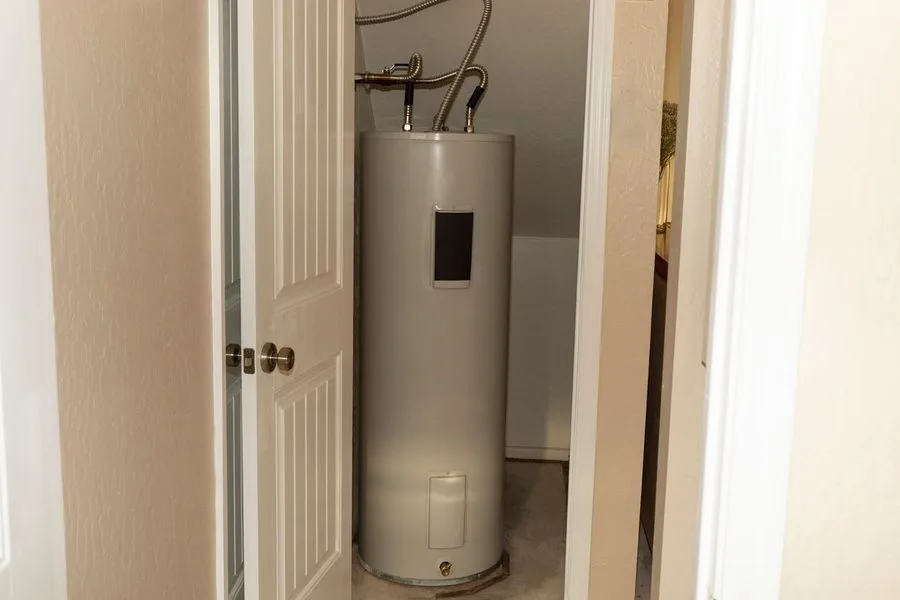
Your water heater works throughout the year, but cooler incoming water temperatures can increase the amount of energy needed to produce hot water.
Why Does My Water Heater Struggle More in Winter?
As incoming water becomes cooler, your water heater must raise its temperature further to reach the desired setting.
Households may also use more hot water during cooler weather.
If your water heater already has sediment buildup, worn components, or other performance problems, increased demand may make those issues more noticeable.
What Are the Signs Your Water Heater Needs Maintenance?
Watch for:
-
Inconsistent hot water temperatures
-
Reduced hot water availability
-
Unusual popping or rumbling noises
-
Longer heating recovery times
-
Leaks around the tank or connections
-
Rust-colored hot water
If your water heater struggles to keep up, professional maintenance can help identify the cause.
3. Temperature Changes Can Expose Existing Pipe Leaks
Plumbing materials naturally expand and contract as temperatures change.
Properly installed plumbing generally accommodates normal movement, but existing weaknesses may become more noticeable.
Can Temperature Changes Cause Plumbing Leaks?
Temperature fluctuations can contribute to stress around vulnerable plumbing connections, particularly when components are already deteriorating.
Potential problem areas include:
-
Aging pipe joints
-
Loose fittings
-
Corroded connections
-
Worn seals
-
Exposed outdoor plumbing
However, ordinary Phoenix temperature changes don’t typically cause properly maintained pipes to burst.
What Are the Warning Signs of a Hidden Plumbing Leak?
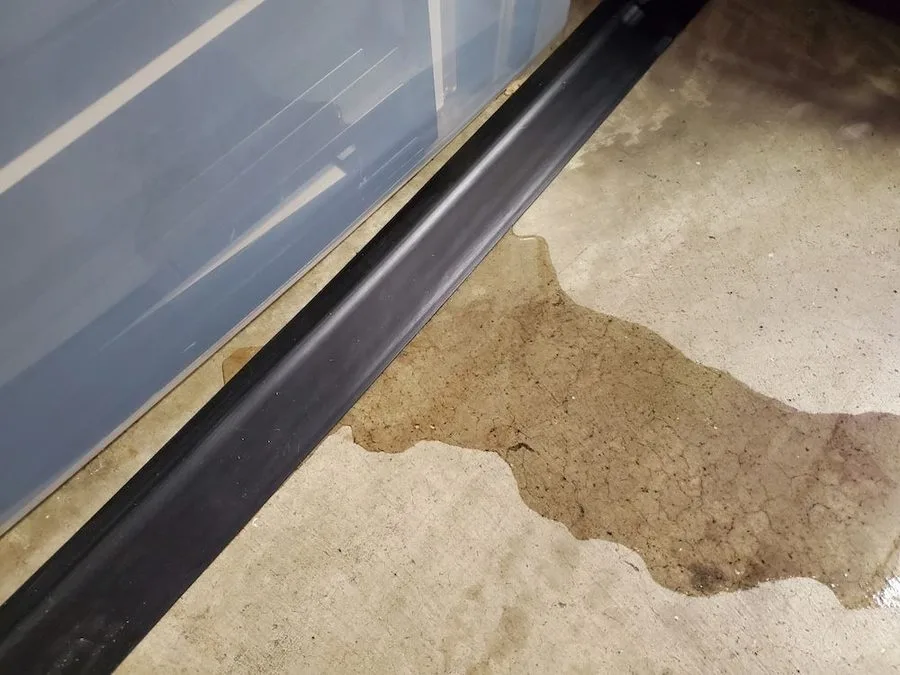
Look for unexplained water bill increases, damp cabinets, water stains, reduced water pressure, or musty odors.
You may also notice water meter activity when all fixtures are turned off.
Professional leak detection can help locate concealed plumbing problems before additional damage occurs.
4. Outdoor Faucets and Irrigation Plumbing May Develop Problems
Phoenix homeowners frequently rely on outdoor plumbing for landscaping, irrigation, and other household needs.
These systems are exposed to changing temperatures and environmental conditions throughout the year.
How Does Cooler Weather Affect Outdoor Plumbing?
Outdoor faucets, valves, and irrigation connections may be vulnerable during freezing conditions.
Existing wear from age, sunlight, or damaged components can also contribute to leaks.
What Should You Inspect Around Your Yard?
Check:
-
Outdoor faucets and hose connections
-
Exposed irrigation supply lines
-
Sprinkler valves and fittings
-
Visible pipes near exterior walls
-
Pool equipment plumbing, if applicable
Look for dripping connections, cracked components, or unexplained wet areas.
Repairing existing leaks before colder weather arrives can help prevent unnecessary water waste and additional damage.
5. Drain Problems May Become More Noticeable During Holiday Gatherings
Cooler weather often means more time indoors, holiday cooking, and gatherings with friends and family.
While lower nighttime temperatures don’t directly cause most household drain clogs, increased plumbing usage can reveal existing drainage problems.
Why Do Drains Clog During Holiday Gatherings?
Common causes include:
-
Grease and cooking oil entering kitchen drains
-
Food scraps collecting in drainpipes
-
Increased bathroom usage
-
Improper garbage disposal use
-
Existing partial drain blockages
How Can You Prevent Holiday Drain Clogs?
Avoid pouring grease or cooking oil down the sink, even when followed by hot water.
Scrape food scraps into the trash, use drain strainers, and keep wipes and hygiene products out of toilets.
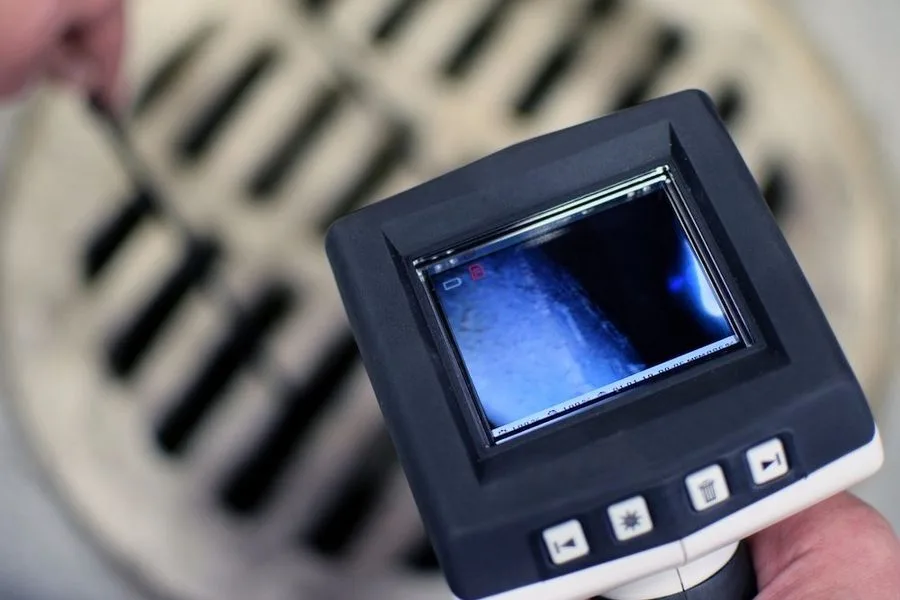
If your drains frequently empty slowly or produce recurring backups, professional drain cleaning may be necessary.
6. Slab Leak Warning Signs Shouldn’t Be Ignored
Many Phoenix homes are built on concrete slab foundations, with some plumbing lines located beneath or within the slab.
When these pipes develop leaks, the problem may remain hidden until noticeable symptoms appear.
What Causes Slab Leaks in Phoenix Homes?
Potential causes include:
-
Pipe corrosion or deterioration
-
Abrasion against surrounding materials
-
Pipe movement
-
Installation-related problems
-
Aging plumbing components
Cooler desert nights aren’t typically a primary cause of slab leaks, but seasonal maintenance is a good opportunity to look for warning signs.
What Are the Signs of a Slab Leak?
Common symptoms include:
-
Unexpected increases in water bills
-
Warm or damp flooring
-
Sounds of running water when fixtures are off
-
Reduced water pressure
-
Persistent moisture near floors or foundations
If you suspect a slab leak, professional leak detection can help identify the source and determine the appropriate repair.
7. Seasonal Changes Are a Good Reminder to Schedule Plumbing Maintenance
Fall and winter provide an opportunity to inspect your plumbing before small problems become more serious.
What Should a Phoenix Plumbing Inspection Include?
A plumbing professional may evaluate:
-
Exposed outdoor pipes and connections
-
Faucets and hose bibbs
-
Water heater operation
-
Visible supply lines
-
Toilet leaks
-
Drain performance
-
Water pressure concerns
-
Signs of hidden leaks
Preventative maintenance can help identify worn components, existing leaks, and water heater problems before they interrupt your routine.
Phoenix Winter Plumbing Maintenance Checklist
As nighttime temperatures drop, consider these simple precautions:
-
Insulate vulnerable outdoor pipes.
-
Disconnect garden hoses before freezing weather.
-
Protect exposed faucets during cold snaps.
-
Inspect visible plumbing for leaks.
-
Monitor water heater performance.
-
Check for unexpected increases in water bills.
-
Watch for slow drains or recurring clogs.
-
Inspect accessible irrigation connections.
-
Schedule professional service for unusual plumbing symptoms.
Keep Your Phoenix Plumbing Ready for Cooler Nights With Zippity Split Plumbing
Phoenix may not experience the harsh winters found in colder regions, but cooler desert nights can still affect exposed pipes, water heaters, and aging plumbing components. Taking preventative steps and recognizing early warning signs can help reduce the risk of unexpected plumbing problems.
Whether you’re dealing with a leaking pipe, water heater trouble, recurring drain clogs, or concerns about hidden plumbing leaks, professional service can help identify the problem and restore reliable operation.
Don’t let cooler desert nights catch your plumbing off guard. Contact Zippity Split Plumbing today to schedule plumbing service in Phoenix, AZ, and keep your home’s plumbing prepared for the cooler months ahead.

No one plans for a burst pipe or a backed-up drain, but you can plan on us
Your go-to team for life’s unexpected plumbing problems
When a pipe bursts or your water heater stops working, you need someone who can step in fast, handle the problem from start to finish, and get your home back to normal. Less stress, fewer surprises, and a plumbing solution you can trust.