Special Offer: $68 drain cleaning


More Than 881+ 5-Star Reviews
Trenchless Pipe Lining Services
Free Estimates
25-Year Warranty
0% Financing Available
Satisfaction Guaranteed
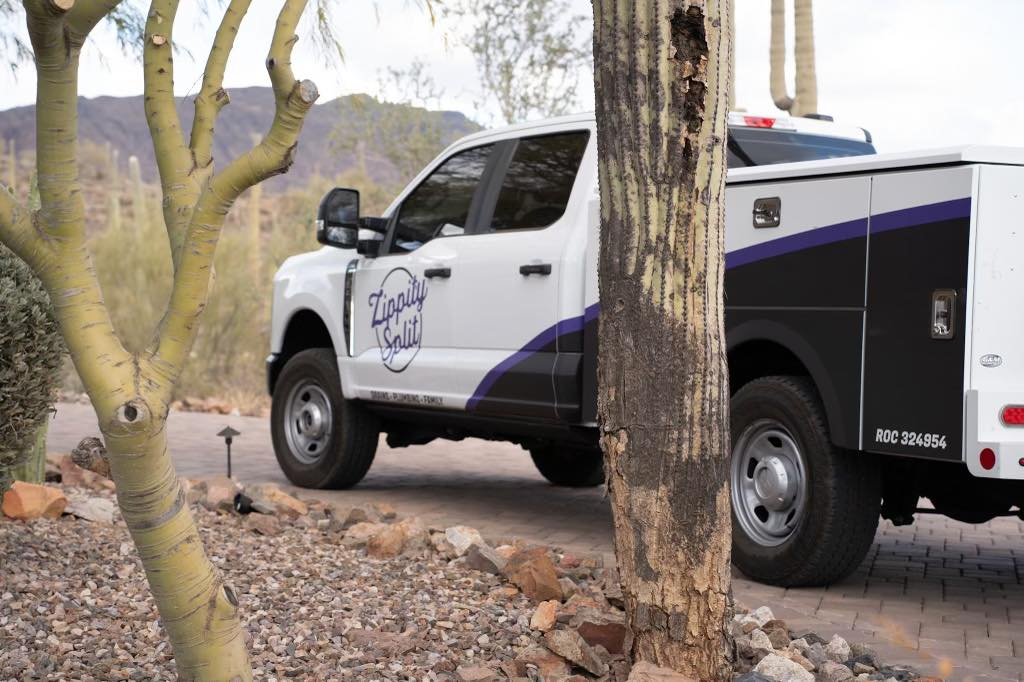

A damaged underground pipe does not always need to be excavated and replaced. Zippity Split Plumbing provides trenchless pipe lining throughout the Phoenix metro area, creating a durable new lining inside qualifying sewer, drain, and stormwater pipes.
Also known as sewer pipe relining, this process allows us to reinforce deteriorated pipe walls, seal cracks, and restore a smoother interior surface while keeping digging to a minimum. It is an effective option for many residential, commercial, and municipal-style drainage applications where the existing pipe remains structurally suitable for lining.
Restore Damaged Pipes Without Extensive Excavation
Traditional pipe replacement may require opening concrete, landscaping, driveways, parking areas, or other finished surfaces to reach the damaged line. Trenchless pipe lining approaches the repair from inside the existing pipe.
A flexible liner saturated with specialized resin is inserted into the damaged line and positioned against its interior walls. Once the material cures, it forms a solid pipe within the original pipe. The new interior seals damaged areas and restores a continuous pathway for wastewater or stormwater.
Because most of the original pipe stays in place, trenchless lining can significantly reduce the amount of excavation needed to complete the repair. Access requirements depend on the pipe’s location, configuration, and condition, but the goal is always to preserve as much of the surrounding property as possible.
Sewer Pipe Relining
Sewer pipe relining is used to rehabilitate sewer lines affected by deterioration that does not require complete removal of the original pipe. It can address problems such as:
- Cracks and small fractures
- Corroded or deteriorated pipe walls
- Minor joint separation
- Recurring root entry points
- Rough interior surfaces that collect debris
- Small leaks within otherwise stable sewer lines
Before recommending relining, we inspect the sewer line to determine the location and severity of the damage. The existing pipe must retain enough structural integrity to support the liner. A fully collapsed, severely offset, or extensively deformed pipe may require pipe bursting or another sewer replacement method instead.
When relining is appropriate, the completed liner creates a continuous interior with fewer joints and irregular surfaces where waste, grease, roots, and debris can collect.
Trenchless Pipe Lining for Residential and Commercial Properties
Trenchless pipe lining can be used for qualifying underground pipes serving homes, businesses, multifamily properties, and other facilities. It is especially useful when a damaged pipe runs beneath an area that would be costly or disruptive to excavate.
Potential applications include pipes located beneath:
- Concrete slabs
- Driveways and walkways
- Patios and pool decks
- Mature landscaping
- Parking lots
- Commercial flooring
- Courtyards and common areas
Every project begins with an evaluation of the pipe’s material, diameter, length, access points, bends, connections, and overall condition. We use those findings to determine whether lining can provide a reliable repair or whether another trenchless sewer repair method is better suited to the property.
Storm Drain Pipe Lining
Storm drains carry rainwater away from roofs, paved areas, parking lots, courtyards, and other parts of a property. Although Phoenix receives limited rainfall for much of the year, monsoon storms can send a large amount of water through these systems in a short period.
Cracks, separated joints, corrosion, and deteriorated storm drain walls can allow surrounding soil to enter the pipe or let water escape into areas where it can contribute to erosion and settlement. Damage may also create rough sections that hold sediment and restrict drainage during heavy rainfall.
Storm drain pipe lining restores qualifying sections from the inside. The cured liner seals damaged areas and creates a smoother, continuous channel for runoff without requiring the entire storm drain to be uncovered.
Storm drain lining may be suitable for:
- Residential yard and roof drainage systems
- Commercial stormwater lines
- Parking lot drains
- Courtyard drainage systems
- Underground roof-drain connections
- Pipes running beneath concrete or paved surfaces
The line must first be inspected and cleaned so the liner can bond correctly to the existing pipe. We also verify that the pipe has not collapsed or lost the shape needed to support the new interior lining.
Our Trenchless Pipe Lining Process
Successful pipe lining depends on careful preparation. We do not simply place material over an unidentified problem. The pipe must be inspected, cleaned, measured, and prepared for the liner.
1. Inspecting the Pipe
We begin with a sewer camera inspection or other appropriate evaluation method. This allows us to locate cracks, corrosion, root intrusion, joint problems, obstructions, and collapsed sections.
The inspection also helps us determine whether the line can be rehabilitated or needs a different type of sewer repair.
2. Cleaning and Preparing the Interior
Roots, scale, grease, sediment, and other buildup must be removed before lining. Depending on the pipe’s condition, preparation may involve drain cleaning, hydro jetting, pipe descaling, or mechanical cleaning.
This step exposes the pipe walls and creates the clean interior surface needed for proper liner installation.
3. Measuring and Preparing the Liner
The liner is sized for the length and diameter of the section being repaired. It is then saturated with resin so it can conform to the shape of the existing pipe and create a continuous interior barrier.
4. Installing the Liner
We insert the prepared liner through an available access point and position it inside the damaged pipe. The material is expanded against the pipe walls so it follows the existing line’s shape.
5. Curing the New Pipe Interior
The resin is cured until the liner hardens into a durable new pipe inside the old one. Openings and necessary connections are restored so the sewer or drainage system can operate properly.
6. Completing a Final Inspection
After installation, we inspect the lined section to confirm that the liner is positioned correctly and the repaired pipe provides a clear, continuous path for flow.
When Is Pipe Relining the Right Repair?
Relining is not automatically the right solution for every underground pipe. We consider several factors before recommending it, including the pipe’s structural stability, location, material, diameter, accessibility, and type of damage.
Trenchless pipe lining may be appropriate when:
- The pipe is cracked but has not collapsed
- Corrosion has weakened the interior walls
- Roots are repeatedly entering through joints or small openings
- The line runs beneath concrete or finished property
- Excavation would cause substantial disruption
- The original pipe can still support a liner
- A continuous section of pipe needs rehabilitation
Relining is generally not suitable when the line has completely collapsed, contains major offsets, has lost its original shape, or lacks enough structural support. In those situations, we may recommend pipe bursting, targeted excavation, or conventional sewer replacement.
Benefits of Trenchless Sewer Pipe Relining
The primary advantage of trenchless pipe lining is its ability to restore a damaged pipe while limiting disturbance above ground. Additional benefits can include:
- Less excavation than traditional replacement
- Reduced damage to concrete and landscaping
- A continuous interior with fewer vulnerable joints
- Sealing of cracks and minor root-entry points
- Improved flow through a smoother pipe interior
- Resistance to corrosion within the lined section
- A practical repair for difficult-to-access pipes
The exact benefits depend on the condition and layout of the existing system. Our inspection allows us to explain what lining can accomplish for the specific pipe rather than recommending the same repair for every problem.
Pipe Materials That May Qualify for Relining
Trenchless liners can be installed inside several common pipe materials, provided the original line remains stable enough to support the repair. These may include:
- Cast iron
- Clay
- Concrete
- PVC
- Certain metal drainage pipes
Older cast iron and clay sewer pipes are common candidates because their interiors may become rough, corroded, cracked, or vulnerable at the joints. However, pipe material alone does not determine eligibility. We evaluate the complete condition of the line before proceeding.
Sewer Pipe Relining Throughout the Phoenix Metro Area
Zippity Split Plumbing provides trenchless pipe lining and sewer pipe relining across the Phoenix metropolitan area. Our service area includes Phoenix, Tempe, Paradise Valley, Scottsdale, Mesa, Chandler, Gilbert, Glendale, Peoria, Ahwatukee, and surrounding Valley communities.
Properties across the metro area present different access challenges. A sewer line may run beneath a Phoenix concrete slab, a Tempe driveway, established landscaping in Paradise Valley, a Scottsdale courtyard, or a commercial parking area in Mesa. Trenchless lining gives qualifying property owners a way to address damaged underground pipes without automatically removing everything above them.
We also provide storm drain pipe lining for eligible drainage systems serving homes, businesses, multifamily properties, and other facilities throughout the area. Each project begins with a detailed inspection so we can identify the damage, determine whether lining is appropriate, and recommend the right repair method.
have an emergency? we’re here to help!
Schedule a Trenchless Pipe Inspection
Recurring sewer backups, root intrusion, unexplained drain problems, and known pipe deterioration may indicate that the line needs more than another temporary cleaning. A professional inspection can show whether the pipe is a candidate for relining or requires a different form of trenchless sewer repair.
Schedule service with Zippity Split Plumbing to have your sewer or storm drain pipe evaluated. We will identify the condition of the line, explain the available repair options, and determine whether trenchless pipe lining can restore it with less disruption to your property.
Send Us A Message



FAQ's
Frequently Asked Questions
Get clear answers to common questions about our services, scheduling, and what to expect during your appointment. If your question is not covered below, our team can provide more information based on your property, system, and service needs.Have another question? Our knowledgeable team is ready to respond!
Recent Reviews
Rated 5-Stars Out of 881+ Reviews
Read About Our Customers’ Recent Experiences

Bear
9 hours ago
Our house was built in 1959 and periodically had drain backups at the sewer line. The pipe that leads from the house to the sewer pipe was after World War Ii pressed cardboard (Really) and subsequently failed multiple times causing backup (Gross). Zippity (I love the name) came and replaced the line in a timely manner explaining step by step what they were doing and after completion sending us photos. The plumbers were friendly and made sure we were as little inconvenienced as possible. Also, a 25 year warranty.
CLIFFORD RICHESON
1 day ago
The men that did the job were great. James did a great job presenting the company and the work they specialize in. It is very important to know the people that are going to do a job are the best. It is also important that seeing the equipment they are using is top shelf. I would like to share this experience with all the people in this development. A special thanks to the staff and especially Zach and Mike. I would like the opportunity to visit with the management here to talk about a venture in spreading the word here about ZIPPITY SPLIT experience.
Lynn Groeneveld
1 day ago
Dave was our technician on this job and was great! They were very prompt and included a picture of the tech coming! Dave was very professional and didn’t try to upsell! We had a few issues for him to address and he did them efficiently and quickly! And cleaned up when he was done! Great job, Dave and Zippity Split!
Jay
1 day ago
Zach and the whole team at Zippity Split are complete professionals who know their trade. I have had 100% excellent experiences with them for commercial and domestic work. Highly recommend
Len Bowes
2 days ago
James was excellent, will use Zippity again
Jack Reynolds
2 days ago
The two reps from Zippity Split (Mark and Ben) were outstanding in their knowledge, manner and professionalism. They were attendant to our needs and explained the process in language we could understand. We will certainly recommend them to friends and family.
Rene McKale
5 days ago
Fast and very professional, courteous and polite. Cleaned work area and I would highly recommend them
Jeannie Kelley
5 days ago
Very nice and did a great job, I will always call Zippity Split, no one else. Thank you
Jeanne Hunt
6 days ago
I was so discouraged when our plumbing broke again! I had been through two different times of digging up the house and putting down new flooring. When I spoke with the Zippity Zip people I was thrilled that they could fix our plumbing without digging or trenching. They finished our entire house in 4 days. Mikey and all of the employees were courteous and helpful. I couldn’t be more pleased.
DiAnn Handy
6 days ago
The Zippity Split team is great! They’re professional, on time, courteous and most importantly honest. The ladies that answer the phone are amazing! I’ll definitely be using them again and referring them to my friends.
jarrod bowser
7 days ago
I've known the owner of Zippity Split Plumbing for over 10 years, and I can't say enough good things about him and his team. They've handled everything from installing a tankless water heater to taking care of various smaller plumbing repairs around my house, and the experience has always been excellent.
The entire team is knowledgeable, professional, and reliable. They show up when they say they will, know what they're doing, and take pride in their work. It's nice having a company you can count on to get the job done right.
After all these years, Zippity Split is still the only plumbing company I'll use for my home. They've earned my trust, and I wouldn't hesitate to recommend them to anyone looking for a great plumber.
The entire team is knowledgeable, professional, and reliable. They show up when they say they will, know what they're doing, and take pride in their work. It's nice having a company you can count on to get the job done right.
After all these years, Zippity Split is still the only plumbing company I'll use for my home. They've earned my trust, and I wouldn't hesitate to recommend them to anyone looking for a great plumber.
Aimee Crittenden
7 days ago
Great company and staff. Would recommend and use in the future
Erik Miller
7 days ago
I have had Zippity out a couple times for some plumbing issues and can’t recommend them enough!! Their sales and support staff were incredible and very thoughtful (thanks for the crumbl cookies!) and their techs were amazing. Thanks Zippity Split!
Jordyn Anderson
7 days ago
I recently booked Zippity Split Plumbing for a new water heater installation, and I could not be happier with the result. Installer Zack arrived exactly on time, explained the process clearly, and handled the entire job with professionalism and care. The work area was left spotless, and the pricing was transparent with no surprise charges. Zack’s communication throughout the process was excellent, and he made sure I understood every step before moving on. I highly recommend Zippity Split.
Kylie Carrasco
7 days ago
Zippity Split Plumbing is an amazing company! Their team is professional, knowledgeable and truly cares about their customers. From start to finish, they make the entire process easy and stress-free. They take pride in their work and go above and beyond to make sure the job is done right. Highly recommend Zippity Split Plumbing to anyone looking for a reliable and trustworthy plumbing company!
Nate Johnson
1 week ago
I was referred to this company by a customer of mine and they saved them about $10,000. I do property management and I would use no other company than this company from now on.
Ron Smith
1 week ago
The technician arrived exactly at time specified. He was very knowledgeable about plumbing issues, and specifically my plumbing issue. Work completed quickly, exceptionally and to my satisfaction!
Kathy Dietz, formerly Gardenier
1 week ago
As a Realtor, I’m always thrilled to add another trusted contractor to my short list of preferred professionals for my clients! Scheduling was easy, and they were able to send a technician out the very same day. James was friendly, knowledgeable, and quickly resolved the issue. I especially appreciated his honesty and integrity in making a straightforward repair rather than recommending a more costly solution. Excellent service from start to finish! Highly recommend!